Electricity Generation Emission Reduction Target

69%
20240.58
20300.18

“More than a bank”
in climate transition…
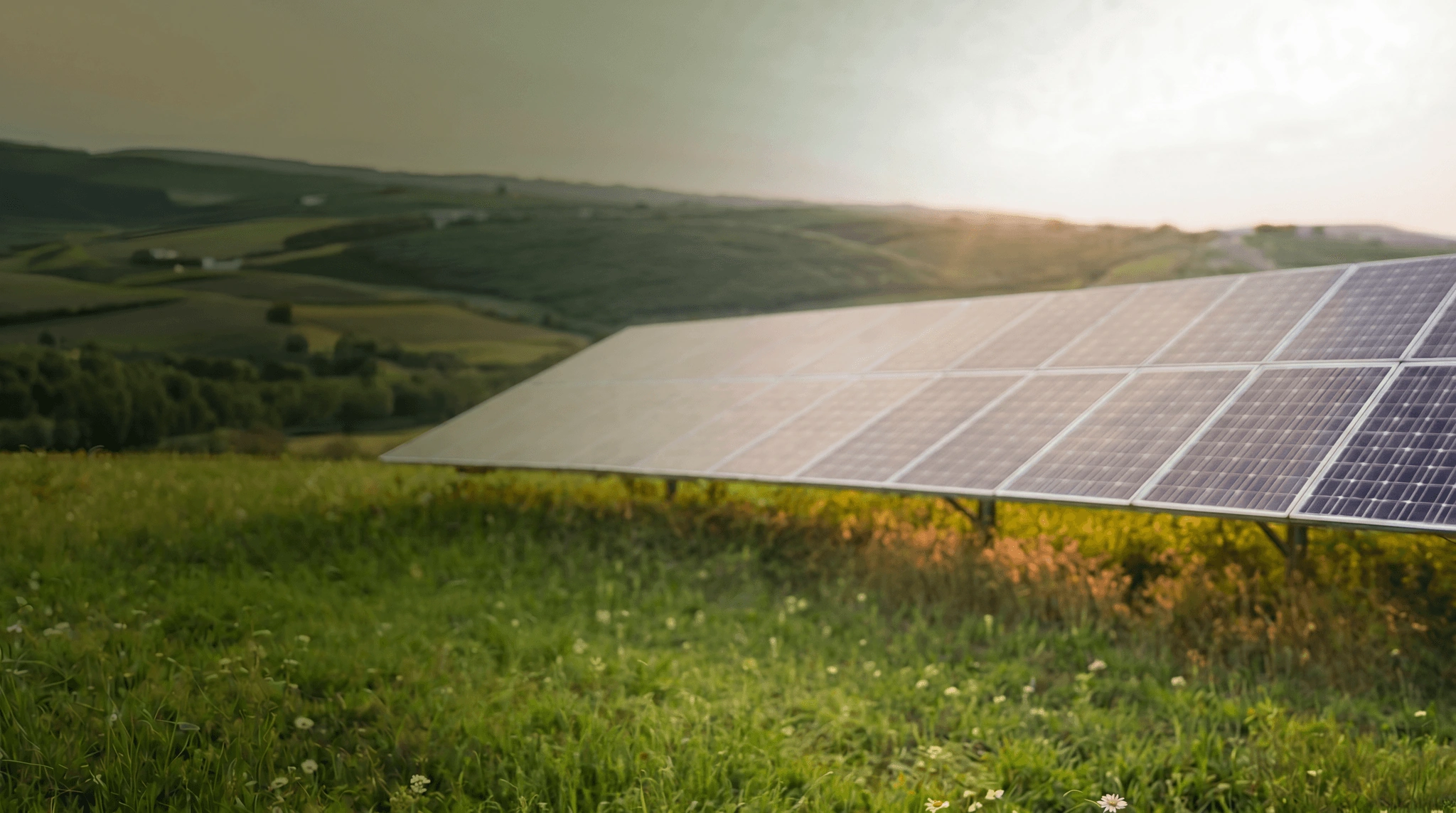
The electricity generation sector is one of the most crucial stops on the climate transition journey. In this journey, we support the sector’s transition with a robust financing approach.
We aim to reduce our emissions intensity in the electricity generation sector by 69% by 2030. Correspondingly, we pave the way for renewable energy investments, and strengthen the infrastructure through hybrid facilities, modern grids, and storage solutions. We accelerate the sector’s transition by incentivizing the financing of investments in innovative and emerging technologies that enable low-carbon production.
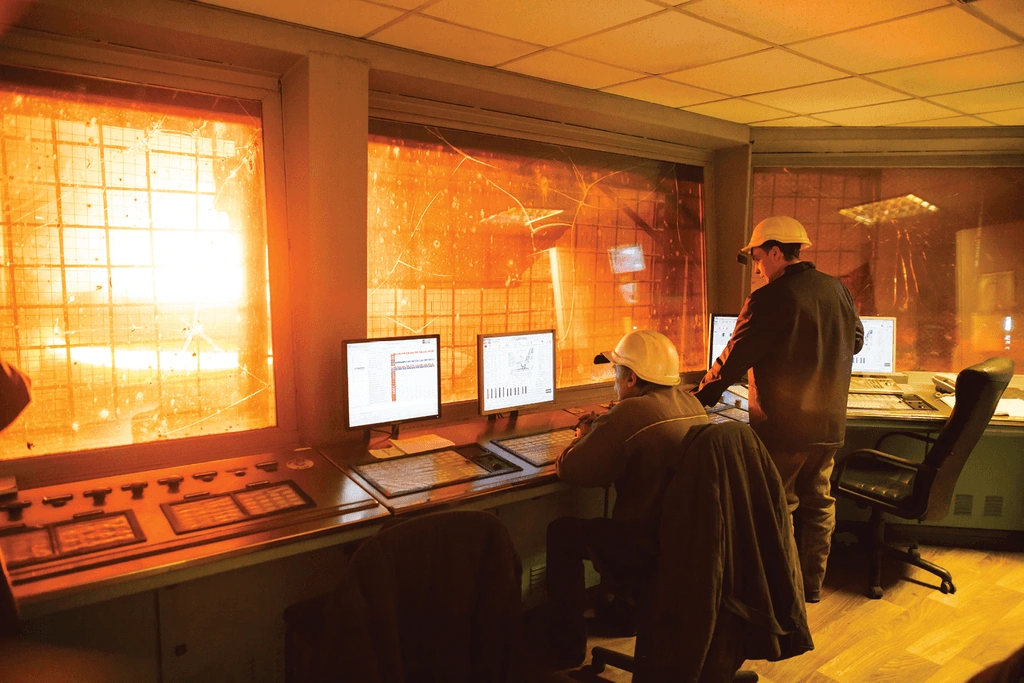
We are steering the iron and steel sector, a cornerstone of our economic development, toward the competitive and low-carbon world of the future. We stand as the primary supporter of innovative investments transforming conventional blast furnaces into eco-friendly, modern electric arc furnaces (EAF) and direct reduced iron (DRI) technologies. Through incentivizing renewable energy integration across this ecosystem, we target a 19.8% reduction in emission intensity by 2030. By harmonizing the strength of steel with ecological balance, we are breathing new life into our industry.
The cement sector is one of the most strategic stops on the climate transition journey. Emissions inherent to the production process set this sector apart from other industries, launching the transformation at the very core of production.
We aim to reduce our emission intensity in the cement sector by 19.8% by 2030. We are increasing the use of alternative materials that reduce the clinker ratio, and implementing a structural transformation in production processes through waste-derived fuels and biomass. While increasing efficiency through practices such as kiln modernization and waste heat recovery, we pave the way toward the sector’s carbon-neutral future with Carbon Capture, Utilization, and Storage (CCUS) technologies.
The agriculture (crop production) sector is one of the most sensitive and impactful stops on the climate transition journey. Because in this journey, every crop, production method, and geography charts its own unique course.
We manage the transformation in agriculture through a crop-specific approach, taking sectoral dynamics into account. We aim to reduce our emissions intensity by 11.6% in wheat, 14% in maize, and 11.1% in rice by 2030. We strengthen the sustainable production infrastructure through investments in modern irrigation solutions which enhance water efficiency, renewable energy utilization, and efficient mechanization. We address agricultural productivity growth and emissions reduction simultaneously, contributing to the strengthening of food supply security by supporting a climate-resilient production framework.
Backed by our deeply rooted heritage of over 162 years, we have always been at the forefront of every aspect of the Turkish economy, driven by our strong balance sheet, and a broad footprint extending from agriculture to industry, energy, and trade. Today, with the same determination, we stand behind the low-carbon future of our economy.
Alpaslan Çakar
CEO

| Sector | Metric | Reference Scenario | Emission Scope | Emission Intensity 2024 (base year) | 2030 Reduction Target |
|---|---|---|---|---|---|
| Electricity Generation | tCO₂e/MWh | International Energy Agency (2050 Net Zero) | Scope 1 and 2 | 0.58 | 69% |
| Iron and Steel | tCO₂e/ton steel | International Energy Agency (2050 Net Zero) | 0.79 | 19.8% | |
| Cement | tCO₂e/ton cement | International Energy Agency (2050 Net Zero) | 0.84 | 19.8% | |
| Agriculture (Wheat) | tCO₂e/ton product | Science-Based Targets Initiative Forest, Land, and Agriculture (SBTi FLAG) 1.5°C | 0.42 | 11.6% | |
| Agriculture (Maize) | 0.41 | 14.0% | |||
| Agriculture (Rice) | 0.94 | 11.1% |




2013
2014
2019
2020
2021
2022
2023
2024
2025
Ziraat Bank’s portfolio decarbonization approach

Active support to transition through the financing of modernization and renewable energy investments in high-emission sectors

Growing financing volume for low-emission customers, with priority given to low-carbon technologies in new lending

Prudent financing policy for segments with high climate risk, with climate risk assessment applied to long-term loans

Limited, last-resort use of carbon credits in areas where emission reduction is not feasible, in line with international standards

At the core of Ziraat Bank’s decarbonization strategy lies its financed emissions, which fall under Scope 3 - Category 15 and originate from its loan portfolio, rather than its own operational emissions. Utilizing the PCAF methodology, the total indirect emissions induced by the Bank’s portfolio in the 2024 base year were measured and verified as 16,320,523.68 tCO₂e.


In carbon intensity calculations, metrics tailored to the operational structure of each sector are utilized. These benchmark metrics include tCO₂e/MWh for electricity generation, tCO₂e/ton of steel for iron and steel, tCO₂e/ton of cement for the cement sector, and tCO₂e/ton of product for the agricultural sector, in alignment with FLAG standards.


Sectoral decarbonization targets are entirely science-based, referencing the IEA 2050 Net Zero scenarios for the electricity generation, iron-steel, and cement sectors. For the agriculture (crop production) sector, pathways aligned with the SBTi FLAG 1.5°C are followed, while target-setting processes are backed by premier global reporting frameworks such as IFRS, ITPN, and PCAF.
69%
19.8%
19.8%
11.6%
14%
11.1%

Risk Level
Risk Class
Low
Medium-Low
Medium
Medium-High
High

To ensure that climate targets advance in alignment with portfolio performance, Ziraat Bank annually updates its financed emissions, emission intensity indicators, customer transformation levels, and the implementation status of selected actions.


Ziraat Bank plays an active role in sectoral transition by financing technology modernization and renewable energy investments across all sectors. The Bank intends to pivot its portfolio composition toward a more sustainable, resource-efficient, and green configuration by steering its risk appetite toward low-carbon technologies.
Ziraat Bank’s focal areas for the upcoming period include enhancing data quality, deepening sector-specific strategies, ensuring a more systematic integration of climate risks into decision-making processes, and developing sustainable finance products.


In the upcoming period, as the National ETS comes into effect, Ziraat Bank will continue to closely monitor the emerging national carbon market structure, credit offsetting rules, sector-based methodologies, and regulations regarding the integration of voluntary and compliance markets.


Climate-related risks are systematically embedded into Ziraat Bank’s corporate risk management framework and risk heat maps. The financial implications of these risks on Expected Credit Losses (ECL) under TFRS 9 models are quantified through comprehensive stress tests conducted under Orderly, Disorderly, and Hot House World scenarios.
